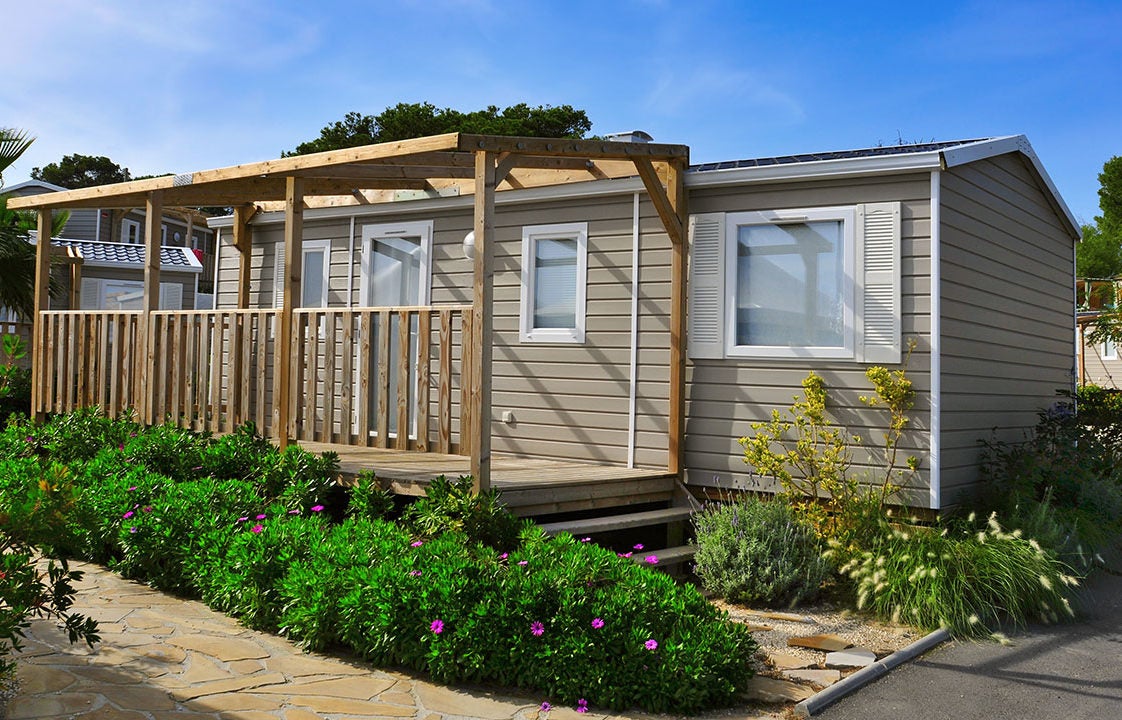
Produced houses are a wise choice for house owners looking for a freshly constructed modern home with a budget-friendly home mortgage payment. While the term "mobile house" is still utilized extensively, these single, double and triple-wide prefabricated houses are now described as manufactured houses. Financing a manufactured house or any other type of home is tough, but it can be especially tough for a brand-new homeowner. A 20% down payment is no longer typical. Numerous public and personal companies assist purchasers who have less than 5% of a house's rate to put down. There are numerous obligations of owning a house that new buyers must be familiar with, and they use to made homes too.
The biggest cost, obviously, will be buying and financing a mobile or manufactured house. Financing is various than for a standard home mortgage, however numerous programs can make it much easier to qualify. The most significant distinction is that loans for mobile and manufactured homes are only for the home itself, not the land it sits upon. The park or neighborhood owns the land and leases it to property owners. Called a chattel loan, it's a home-only loan and is technically not a property loan. It's a personal property loan, and is also readily available if you currently own the land and need to borrow money to buy the physical home.
In reality, it can be a lot easier to get funding for a manufactured house than for a traditional frame or block house. Funding terms depend upon the lending institution, but the minimum credit report for the options we discuss listed below range from 580-650. Scores greater than 650 may get somewhat much better terms. Scores lower than 580 might not certify for a loan at all. Chattel loans for manufactured houses are typically smaller sized than basic home loans because you're not purchasing the land. This can make financing simpler for some individuals since they're borrowing less money. However, the repayment periods are shorter 15 or twenty years which could result in higher month-to-month payments.
Another disadvantage is that interest rates can be higher on goods loans. A study by the Customer Financial Security Bureau discovered that the yearly percentage rate, or APR, was 1. 5% higher on goods loans than basic mortgages. Loan processing costs, however, were 40-50% lower. Which of the following approaches is most suitable for auditing the finance and investment cycle?. If you're considering buying a manufactured, mobile or modular home, it is essential to understand the differences between them. Rates alternatives vary, as do how they're constructed and installed, and security standards needed in their construction, amongst other things. Some loans might be easier to get for some kinds of these houses. Factory-built homes made before June 15, 1976, before guidelines required certain safety standards.
Factory-built website after June 15, 1976 and subject to federal security standards set in 1974, described as the HUD Code. Produced houses are constructed on a long-term metal chassis and can be moved after setup, but that can disrupt funding. These factory-built homes are assembled on-site. They should satisfy the very same local building regulations as site-built houses. They're generally set up on a concrete foundation. Loans are typically easier to get for modular homes because they hold their value and appreciate more than the other two. As soon as you have actually chosen what type of made home you want, you'll need to determine how to fund it. What credit score is needed to finance a car.
Indicators on How Is Python Used In Finance You Need To Know
Leasing land might make you qualified for less loans. Purchasing a double-wide home that costs $100,000 or more isn't Click here for more allowed an FHA loan. Maximum loan amounts differ by the kind of home bought. Not only must you compare the type of loan, however see how charges and interest rates differ amongst lending institutions. Here are four broad financing options: If you own the land under your manufactured house, you remain in luck. Banks, credit unions and other lenders normally require you to own the land in order to get a home mortgage. In this case, financing a made home is relatively similar to financing a standard home.

5% with an FHA loan), and income that is roughly 3 times the home mortgage. If you do not believe you have the minimum credit history needed, you can begin working to enhance your credit score. Online credit counseling from In, Charge Debt Solutions can assist. In, Charge is a nonprofit credit counseling agency that provides a complimentary snapshot of your credit report. It can assist you come up with a repayment plan such as a financial obligation management program. In addition to improving your credit rating, owning the land you wish to put a manufactured home on can make being authorized for a loan simpler.
If you do not prepare on purchasing land for your manufactured home, you can still finance the purchase with a bank or credit union lending institution, or possibly through assistance from the federal government. These programs are designed to assist customers get home loans on manufactured homes, which account for 6% of the U.S. real estate market. That's practically 8 million houses. Housing support programs began in the New Offer era (1930s) when the government wished to offer much better houses for the rural population. The programs were administered by the USDA because the programs were tailored towards on-farm housing. The very best feature of a USDA loan (likewise called a Rural Development loan) is that there is no down payment required.
Your house needs to fulfill geographical requirements, but that doesn't imply you have to live 20 miles from your closest next-door neighbor. About 97% of the U.S. land mass is USDA loan eligible, a location encompassing 109 million people. Rates of interest fluctuate with the market however are normally less than standard loans. The disadvantage to a USDA loan is a Guarantee Charge of 2% is contributed to the total loan quantity, and an annual charge of. 5% gets contributed to your monthly payment. The minimum credit report to qualify is 640. And unlike standard whos in the siriusxm commercial home loans, you can be disqualified for making too much cash.
Consult your bank or credit union to see if they can help you with a USDA loan application for a produced loan. No deposit needed Can fund 100% of assessed value Minimum credit history needed: 650 Must satisfy geographical requirement: rural location Can't make 115% or more of county's median income Costs: 2% fee contributed to the total loan, and. 5% to regular monthly payment If you surpass the USDA's earnings limitation, you should consider an FHA loan as they have no wage optimums. The FHA does not in fact give you money for a house loan. It guarantees the loan, which lures loan providers to fund home loans since they are backed by the government.